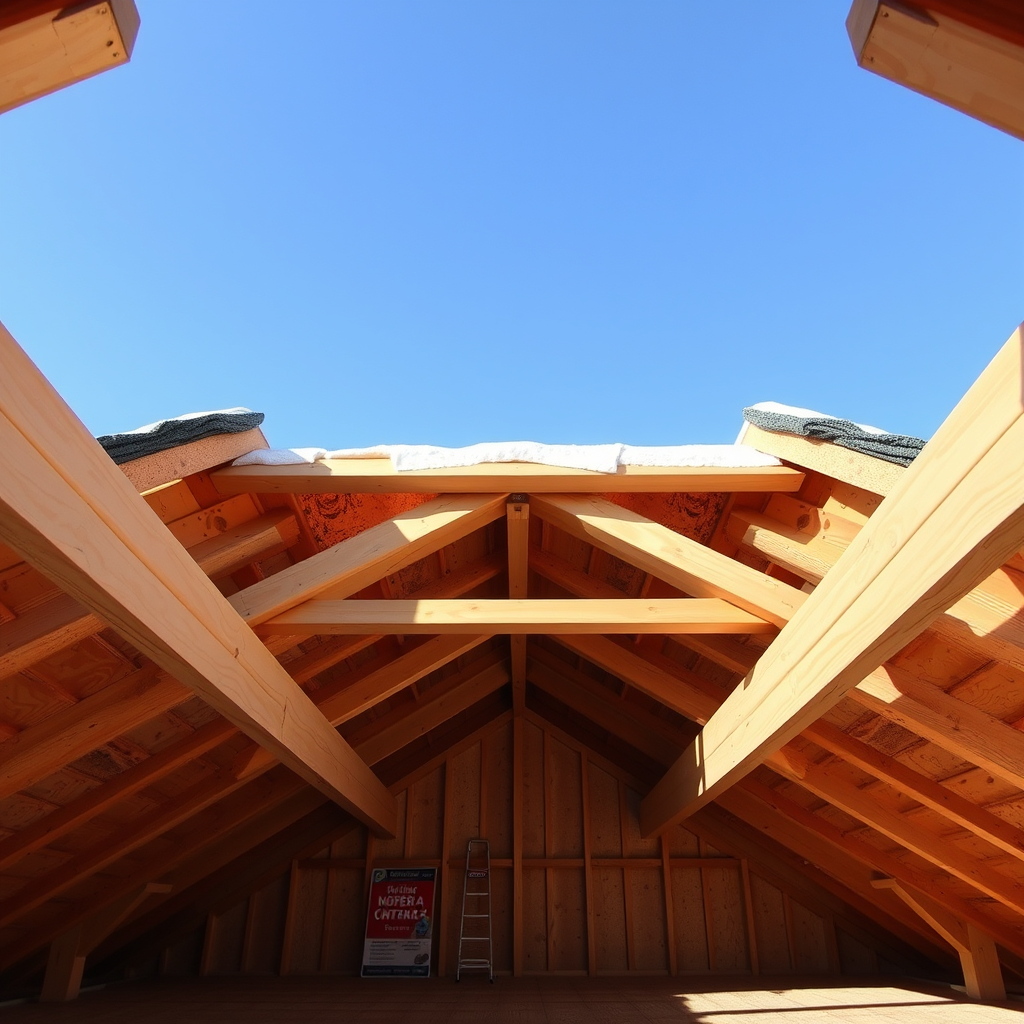
The attic is one of the most common places spray foam is installed, and one of the most challenging places to remove it. Foam on the underside of a roof deck or across attic rafters seals the space tightly, but when that foam fails, smells, traps moisture, or simply needs to come out for a roof repair, the attic environment turns removal into demanding work. Tight access, brutal heat, awkward angles, and heavy dust all stack up at once. Knowing what a professional attic foam removal actually looks like helps you understand the process and plan for it.
Why Attic Foam Removal Is Uniquely Difficult
Most attic foam is applied to the underside of the roof deck and the rafter bays, which means nearly all of the work happens overhead, often while kneeling or crouching on joists. Several factors make it harder than removing foam from a wall at ground level:
- Heat. An attic under a sunlit roof can become dangerously hot. Crews schedule work for cooler parts of the day and rotate to manage heat exposure.
- Access. Many attics are reached only through a small hatch or pull-down stairs, so every tool and every bag of debris passes through a tight opening.
- Footing. There is rarely a solid floor. Workers move along joists and trusses, which slows everything down and demands care.
- Overhead labor. Scraping and grinding foam off a roof deck above your head is exhausting and rains debris straight down.
- Bonded to the deck. Closed-cell foam in particular bonds aggressively to roof sheathing and must be worked off without damaging the wood that the roof depends on.
Step by Step: What a Professional Attic Removal Looks Like
Step 1: Inspection and Plan
The job begins with an assessment of the foam type, thickness, how it is bonded, and why it is being removed. The crew checks access, looks for moisture or rot under the foam, and plans a path for getting debris out. This is also when the scope is set, whether it is the full roof deck, the rafter bays, or a problem section.
Step 2: Setting Up Containment
Attic foam removal is one of the dustiest jobs in the trade. Before any foam comes off, the crew seals the access point and protects the living space below so fine particulate does not migrate into the house. Where needed, ventilation or negative-air setups pull dust out of the work zone. Protecting the rest of the home is just as important as the removal itself.
Step 3: Protecting the Path In and Out
Because debris and workers travel through finished areas of the home to reach the attic, floors, hallways, and the hatch surround are covered and protected. This keeps the mess contained to a controlled route.
Step 4: Mechanical Removal
This is the core of the work. Foam is removed in layers:
- Bulk foam is cut and pried away from the rafter bays first.
- Scrapers and specialized blades take the bonded layer down off the roof deck.
- Grinders and abrasive tools remove the thin, stubborn film keyed into the sheathing.
Throughout, the crew works to clean the wood back to a sound surface without gouging the roof deck. Open-cell foam tears away in crumbly chunks, while closed-cell foam has to be chiseled and ground in tougher, denser sections.
Step 5: Surface Cleanup
After the foam is off, the rafters and deck are brushed, sanded, or ground clean of residual fuzz. The goal is bare, sound wood ready for reinsulation, a roof repair, or inspection. If moisture damage or rot is uncovered, the crew flags it so it can be addressed before anything new goes back in.
Step 6: Debris Removal and Disposal
Cured foam is bulky and light, and an attic's worth of it fills many bags fast. Every bit is hauled out through that same tight access point, removed from the property, and disposed of according to local rules. A thorough crew leaves the attic and the path in and out clean.
What You Should Plan For
- Time. Attic jobs take longer than equivalent wall jobs because of access and heat.
- Dust control matters most here. Ask how the crew will protect your living space, because this is where shortcuts cause the biggest problems.
- Surprises under the foam. Removal can reveal moisture, staining, or deck issues that were hidden. Better to find them now.
- A clear finish line. A good job ends with clean, bare wood and a tidy home, not just foam in bags.
Get a Free Estimate
Attic spray foam removal is hot, dusty, overhead work that rewards experience and proper containment, exactly the kind of job worth handing to a specialist. SprayRemoval removes attic and roof-deck foam cleanly and completely, and we work with property owners nationwide. Call 844-967-5247 or email josh@contractorschoiceagency.com for a free estimate. We will assess your attic, explain the process for your specific roof, and get the foam out while keeping the rest of your home protected.