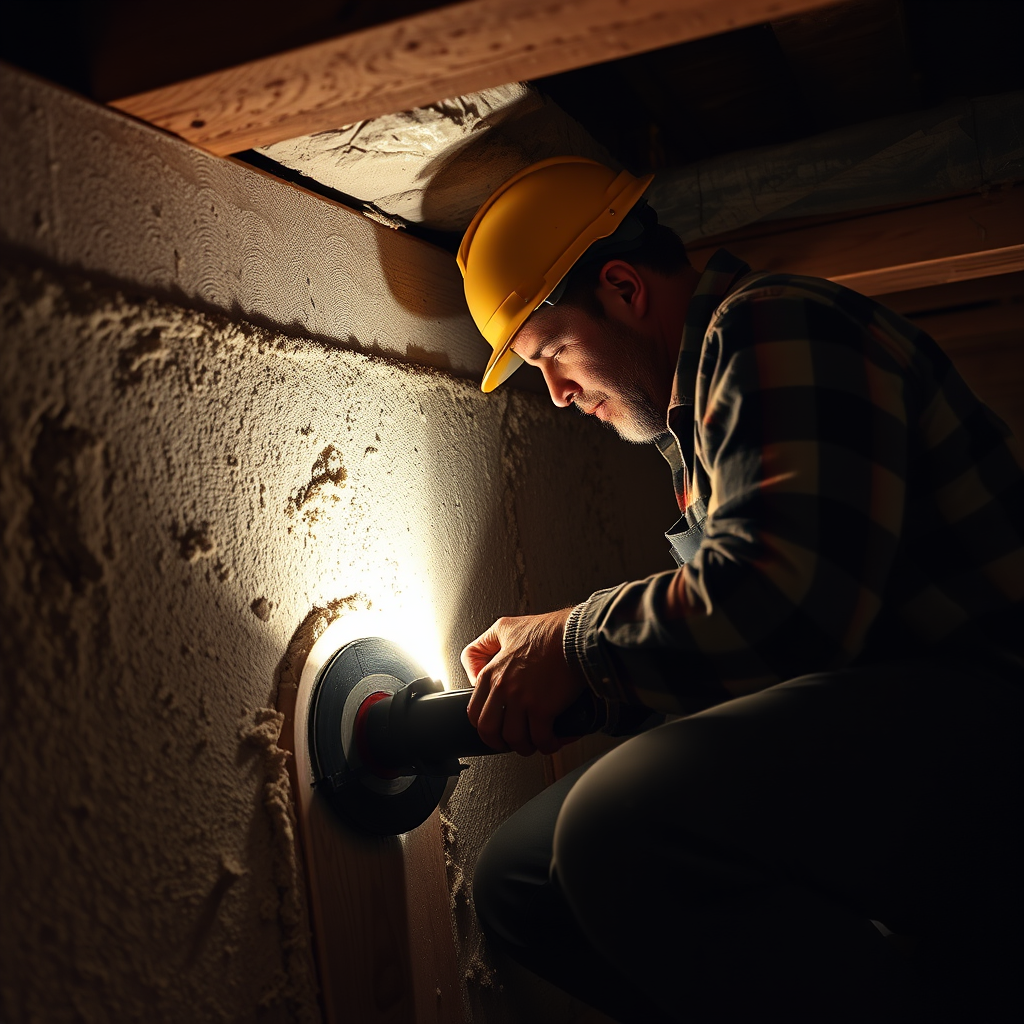
Spray foam overspray is the fine mist of foam that drifts away from the intended surface and lands where it does not belong. During an insulation job, even small amounts of overspray can settle on windows, siding, gutters, driveways, and parked vehicles, where it cures into hard little beads and crusts that are firmly stuck. The frustrating part is that overspray bonds just as stubbornly as intentional foam, so getting it off without damaging the surface underneath takes the right approach for each material. Here is how different surfaces are handled.
First, Understand What You Are Dealing With
Overspray is cured polyurethane, the same tough plastic as a full foam application, just in thin, scattered specks. There is no magic solvent that wipes it away. Removal is mostly mechanical and surface-specific, which means the safe method changes completely depending on whether you are cleaning glass, painted siding, or automotive clearcoat.
A few universal rules apply no matter the surface:
- Never use a sharp metal blade on a soft or painted surface. It will scratch and gouge.
- Work slowly and test a small area first.
- Mechanical patience beats aggressive force. Forcing it off usually takes the surface with it.
Removing Overspray from Windows and Glass
Glass is one of the more forgiving surfaces because it is hard and non-porous, but it still scratches.
- Plastic razor blades are the safest first tool. Held at a low angle, they shave cured foam beads off glass without scratching.
- A metal razor blade can be used by experienced hands on glass only, kept flat and lubricated, but the risk of scratching coated or tempered glass is real.
- For the thin haze that remains, gentle abrasion with a non-scratch pad and patience clears it.
- Window frames and vinyl trim around the glass are softer than the glass itself and need the plastic-blade approach, never metal.
Removing Overspray from Siding
Siding is where overspray causes the most heartache, because the method depends entirely on the siding material.
- Vinyl siding is soft and scratches easily. Metal blades are off the table. Careful work with plastic scrapers and gentle abrasion is required, and even then the textured surface can hold foam residue in its grain.
- Fiber cement and painted wood siding have a paint or coating layer that overspray bonds into. Removing the foam often means working right at the edge of disturbing the finish, so light, controlled mechanical removal is essential.
- Brick and masonry are porous, and foam keys deep into the texture. This is some of the hardest overspray to remove cleanly without specialized technique.
Because siding finishes are easy to ruin, this is the surface where homeowners most often trade a minor overspray problem for a major refinishing bill.
Removing Overspray from Vehicles
Automotive surfaces are the highest-stakes of all. A car's clearcoat is thin and unforgiving, and a scratch through it means refinishing.
- Never use any blade, metal or plastic, on automotive paint. Even plastic can mar clearcoat.
- The safe approach relies on gentle mechanical agitation with soft materials, careful detailing technique, and a lot of patience to lift cured beads without abrading the finish.
- Glass areas of the vehicle can tolerate plastic-blade removal, but anything painted, trimmed, or plastic needs a far softer touch.
- Cured overspray on paint is genuinely a job where a wrong move is permanent, which is why it is the most common reason vehicle owners call a specialist instead of experimenting.
Why Surface-Specific Removal Matters
The common thread across all of these surfaces is that the foam is the easy part to identify and the hard part to remove safely. The real skill is taking the foam off without harming the glass coating, paint, vinyl, or clearcoat beneath it. That balance is exactly what trips up DIY attempts. A scraper that works great on a garage floor will destroy a car door or a vinyl panel.
Specialists bring the right blades, abrasives, lubricants, and techniques matched to each material, plus the judgment to know when a surface needs an especially gentle approach. The result is overspray gone and the surface intact.
Get a Free Estimate
If foam overspray has landed on your windows, siding, vehicle, or any surface where a wrong move could do real damage, let a specialist handle it. SprayRemoval removes cured foam overspray cleanly and safely, and we work with property owners nationwide. Call 844-967-5247 or email josh@contractorschoiceagency.com for a free estimate. We will look at the affected surfaces, explain the safest removal method for each one, and get the overspray off without leaving a mark behind.