Spray foam is supposed to be a one-and-done insulation solution. When it is mixed and applied correctly, it cures into a stable, odorless, high-performing layer that lasts for decades. But spray foam is a chemical reaction that happens in real time on your walls and ceilings, and when something goes wrong during that reaction, the result is a failed job that can cause lasting problems. Recognizing the warning signs early can save you from bigger headaches down the road.
What Causes Spray Foam to Fail
Most foam failures trace back to how the two-part chemical system was handled and applied. The two components, often called the A side and B side, have to be mixed in a precise ratio at the right temperature and pressure. When that balance is off, the foam is called off-ratio, and it never cures properly.
Common root causes include:
- Off-ratio mixing from improper equipment calibration or pump problems
- Cold substrate or cold ambient temperatures that disrupt the reaction
- Spraying too thick in a single pass, which traps heat and prevents a full cure
- Moisture on the surface at the time of application
- Expired or improperly stored chemicals
- Dirty or contaminated surfaces that prevent proper bonding
Any one of these can leave you with foam that looks insulated but is actually defective.
The Warning Signs to Watch For
Persistent Odor
A healthy spray foam job is essentially odorless once cured. A lingering chemical, fishy, or amine-like smell weeks or months after installation is one of the clearest signs of off-ratio foam. That odor means the chemistry did not complete, and it often will not go away on its own. This is the single most common complaint that leads people to call for removal.
Shrinking and Pulling Away
Properly cured foam holds its shape and stays bonded. Shrinkage shows up as foam pulling back from framing, leaving gaps at the edges of studs and rafters. Those gaps defeat the air seal and let conditioned air leak right through, which is the opposite of what you paid for.
Sagging or Slumping
Foam that was off-ratio or sprayed too thick may sag, droop, or slump before it sets. On a ceiling or roof deck, you might see uneven, drooping sections instead of a uniform layer. This indicates the foam did not firm up the way it should have during the reaction.
Poor Adhesion
Cured foam should be locked to the surface. If foam can be pulled off easily, comes away in sheets, or sounds hollow and detached when tapped, it has an adhesion problem. Poor bonding can come from a contaminated surface, moisture, or a bad chemical reaction.
Soft, Sticky, or Tacky Texture
Fully cured foam is firm and dry to the touch. Foam that stays soft, crumbly, sticky, or tacky did not finish curing. Sticky foam in particular is a red flag for off-ratio material that may continue to off-gas.
Inconsistent Color or Texture
Streaking, unusual discoloration, or areas that look and feel different from the rest of the application can signal mixing problems during the spray.
What to Do About Failed Foam
Here is the hard truth: failed spray foam usually cannot be fixed in place. You cannot re-mix or re-cure foam that is already on the wall. Spraying fresh foam over off-ratio material just traps the problem, and the odor or air leakage continues underneath.
The reliable solution is removal:
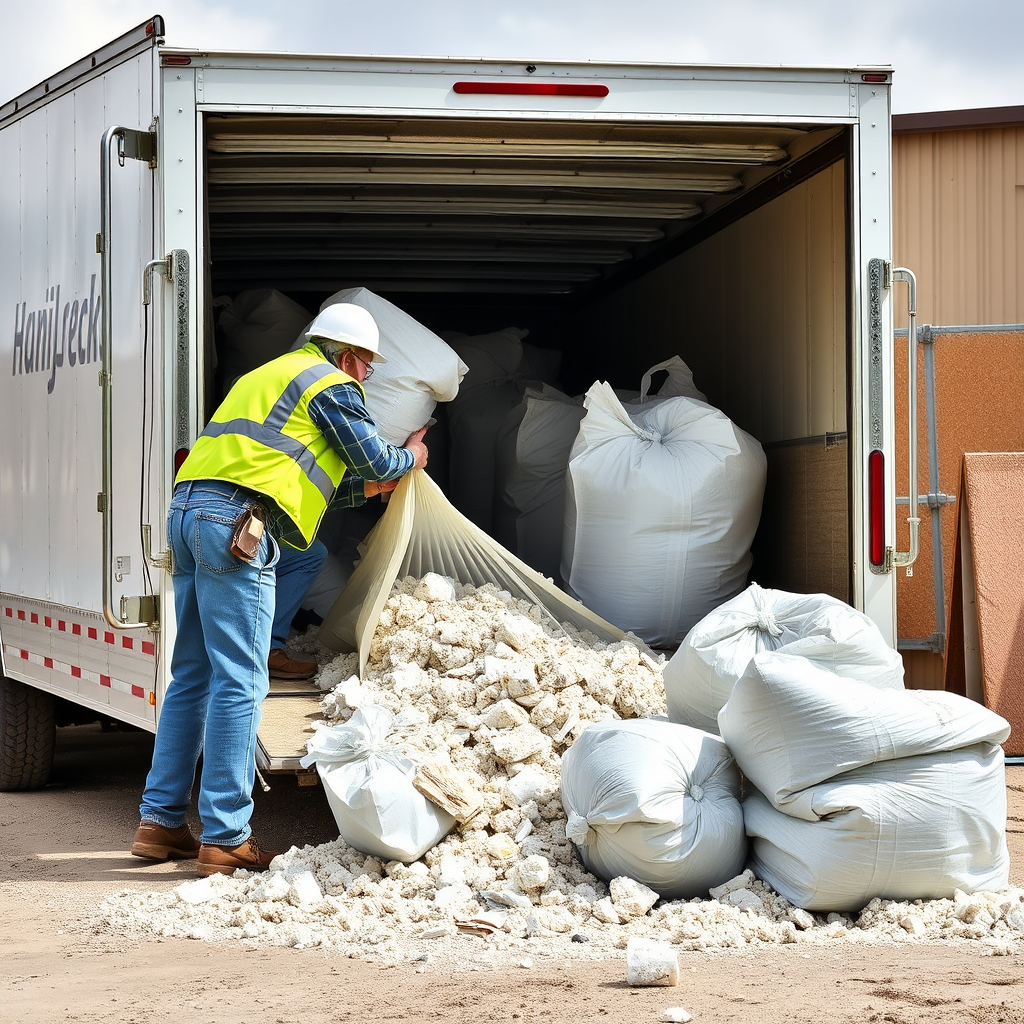
1. Get an assessment. A specialist identifies whether the foam is genuinely off-ratio or whether the issue is something else, like a thickness or coverage problem. 2. Remove the failed material. Defective foam is mechanically scraped, cut, and ground off the substrate, with containment to control dust and odor. 3. Clean the substrate. The surface is taken back down to sound, clean material so it is ready for whatever comes next. 4. Address what is underneath. Removal often reveals moisture or surface issues that should be corrected before any new insulation goes in.
The longer off-ratio foam stays in place, the longer odor and performance problems persist. Acting early keeps the situation from spreading and limits how much foam ultimately has to come out.
Get a Free Estimate
If your spray foam smells, shrank, sagged, or just never seemed right, you are not imagining it, and you do not have to live with it. SprayRemoval specializes in removing failed and off-ratio spray foam, and we work with property owners nationwide. Call 844-967-5247 or email josh@contractorschoiceagency.com for a free estimate. We will inspect the foam, tell you straight whether it failed, and lay out a clear plan to get it out and get your space back to normal.